What Does a Developmental Paediatrician Do?
11 July 2026 · Dr Robert Parry, MBBS FRACP, Paediatrician
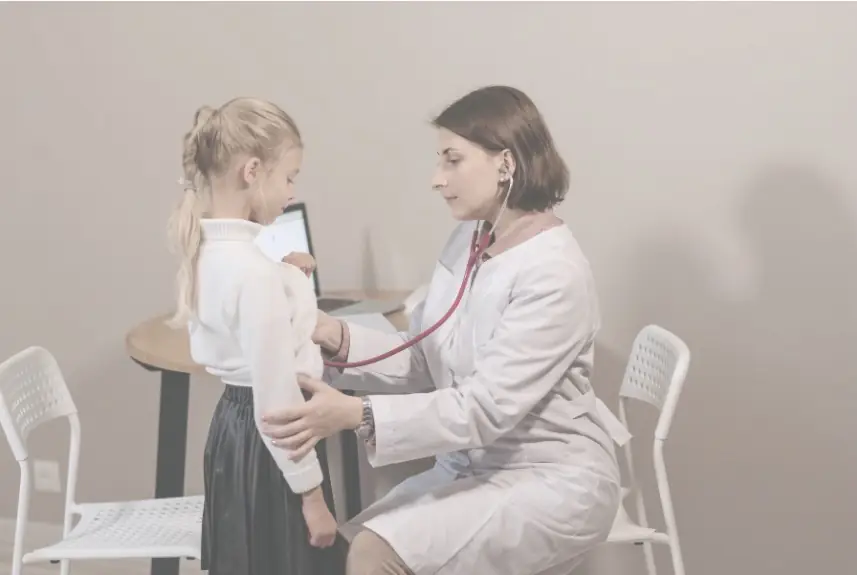
Parents often ask what a developmental paediatrician actually does, and how it is different from seeing a GP. This article gives a general overview to help you understand the role.
A focus on development and behaviour
A developmental paediatrician is a doctor who focuses on how children grow, learn, communicate and behave. As well as physical health, they consider a child's development across areas such as speech and language, motor skills, learning, attention, social interaction and emotional wellbeing. This broad view helps them understand a child in the context of home, school and community.
What they can help with
Families are often referred to a developmental paediatrician with questions about developmental delay, autism, attention and hyperactivity, learning difficulties, or behaviour that is affecting daily life. The paediatrician takes a careful history, may arrange or coordinate assessments, and works with families to plan support. Where a diagnosis is made, they can guide next steps and, where appropriate, oversee ongoing management.
Working as part of a team
Children's development rarely sits with one professional alone. A developmental paediatrician often works alongside psychologists, occupational therapists, speech pathologists and educators. At Hunter Children's Clinics this multidisciplinary team works together so that families can access several kinds of support in a coordinated way. You can read about our psychology, occupational therapy and speech pathology services.
How to see a developmental paediatrician
In Australia, you generally need a valid GP referral to see a paediatrician, and a referral is also required for a Medicare rebate. Referrals typically last 12 months. Once your GP has provided a referral, you can call the clinic to arrange an appointment. You can find more detail on our fees and referrals page.
When to consider a referral
Every child develops at their own pace, so there is no single checklist that applies to all families. That said, parents often seek advice when they notice their child is not meeting developmental milestones, is finding learning or attention difficult, is struggling socially or emotionally, or when a teacher or early educator raises a concern. Your GP is a good first port of call to talk through what you are noticing and whether a referral would help.
What to bring to the first appointment
Bringing relevant information helps the paediatrician build an accurate picture. This can include your child's health record or blue book, any previous letters or reports, and reports from a school counsellor or allied health professionals. Where possible, sending reports ahead of the appointment can be helpful. It is also useful to jot down your main concerns and questions beforehand, so nothing important is forgotten on the day.
What happens after the first appointment
The first appointment is the start of a process rather than the end. Depending on what is found, the paediatrician may arrange further assessment, involve other members of the team, or suggest a plan to try at home and school. They usually write to your GP so that your child's care stays joined up. If follow-up is needed, it helps to book it before you leave, so that continuity is maintained and you are not left waiting for the next step.
Related reading: how to get an ADHD assessment in NSW, signs your child may need speech therapy, and what to expect from a parent-only intake session.
This article is general information only and is not a substitute for individual medical advice. If you have concerns about your child, please speak with your GP or paediatrician.