How to Get an ADHD Assessment for Your Child in NSW
11 July 2026 · Dr Robert Parry, MBBS FRACP, Paediatrician
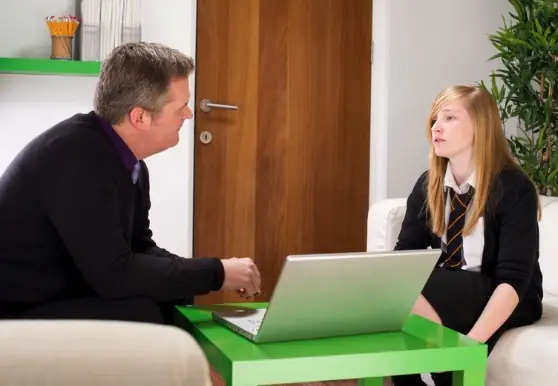
If you are wondering whether your child might have ADHD, the path to an assessment can feel unclear. This article outlines the general steps in New South Wales and the different routes families can take.
Start by gathering information
A good place to begin is by gathering information from the people who know your child well. Family members often notice patterns at home, so it helps to talk together about what you are seeing. It is just as useful to talk with your child's teacher, and with early childhood educators or day care staff for younger children, because they see your child in a structured, social setting alongside other children. ADHD can look different from one setting to another, so a picture built from home and from where your child learns and plays is far more useful than either on its own.
Who can carry out the assessment
There is more than one route to an assessment. Sometimes a school counsellor, who is a psychologist, can carry out or contribute to an assessment through the school. Otherwise our psychology team can assess your child privately, which may include cognitive and psychometric testing. Another route is to see a paediatrician or one of our nurse practitioners, who work under paediatrician oversight. To see a paediatrician or nurse practitioner, a valid GP referral is needed before an appointment can be booked, and a referral is also required for a Medicare rebate on those consultations, so a visit to your GP is the usual first step for this route. NSW Health is also training some GPs to assess and diagnose ADHD directly, as part of a staged reform that began with GPs issuing repeat prescriptions for patients already diagnosed and stable on medication. In 2026 the NSW Government announced a free-assessment program for children and adults, expected to open in early 2027. If this may suit your family, it is worth asking your own GP whether they are involved in this program. You can read more on the NSW Health ADHD in General Practice page. Your GP or our team can help you work out which route suits your child. You can read more about our nurse practitioner pathway on our Hunter ADHD Nurse Practitioner Pathway page.
What the assessment involves
An ADHD assessment looks at your child from several angles rather than relying on any single test. It may include a detailed clinical interview, rating scales completed by parents, carers and teachers, and cognitive testing where it is clinically indicated. Gathering information from more than one setting, with your consent, helps build an accurate picture and sound recommendations, whether or not a diagnosis is made.
How long it takes
How long an assessment takes can vary a great deal. Sometimes it can happen quite quickly, when clear and consistent information is already available from home and from school. At other times the picture is less clear-cut. The findings can be ambivalent, and in those situations the most careful approach is to take time: monitoring your child over several months, and sometimes across different school years and different situations, before reaching a conclusion. We may also gather further information from other people who know your child, such as school reports, letters from teachers, reports from other therapists already involved, or observations from a sports coach or a music tutor. This is not delay for its own sake; taking the time to get it right means any conclusion, and any support that follows, genuinely fits your child.
After the assessment
Where a diagnosis is made, the clinician will discuss support options with you, which may include strategies for home and school and, where appropriate, medication. ADHD care usually involves regular review, and some appointments can be conducted by telehealth where clinically appropriate. Where a diagnosis is not made, you will still come away with a clearer understanding of your child's strengths and needs, and practical next steps. You can read more on our ADHD assessment and care page, and see current fees on our fees and referrals page.
Supporting your child while you wait
If there is a wait for an appointment, it can be a useful time to keep gathering information. Notes about what you notice at home, any school reports, and conversations with your child's teacher all help when the assessment begins. Your GP can also offer support in the meantime. Simple, consistent routines and clear, calm communication at home can make daily life smoother, whatever the outcome of the assessment.
Related reading: what a developmental paediatrician does, and what to expect from a parent-only intake session.
This article is general information only and is not a substitute for individual medical advice. If you have concerns about your child, please speak with your GP or paediatrician.